













By Abby Hite, Staff Writer
When you think back on your childhood, what stands out the most? Is it your Barbie doll? Reading Junie B. Jones? Or did you have a monster truck that you took everywhere?
Now, read that again. Which ones could you relate to? Why does the monster truck or the Barbie doll fit with only one specific gender?
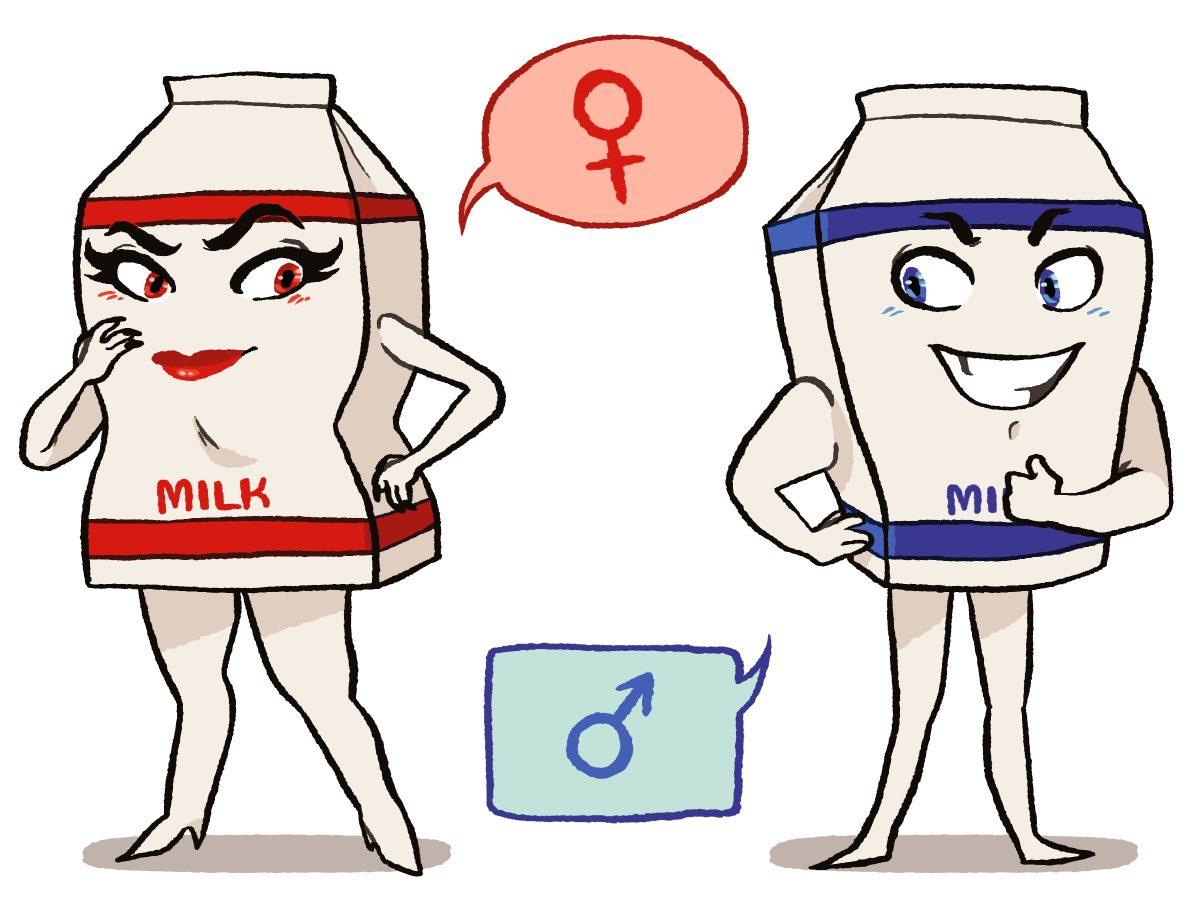
For a long time, we have put specifications on what each gender should wear, play with or look like, and we continue the cycle by pushing children to fit in with these guidelines.
Throughout history, the clothes we deem “socially acceptable” have changed. Before the 1940s, it was accepted that pink, being a daintier color, was better suited for girls and blue for boys. The women’s liberation movement in the 1960s pushed unisex clothes that wouldn’t hint or focus on gender, and 15 years later it shifted again. This time boys’ clothes weren’t just blue; they were blue with a football or a truck.
Things that are used by everyone are given labels, just look at amazon or Walmart’s “for her” and “for him” sections. Girls need makeup and jewelry. Boys need car care kits or a new set of tools.
As girls, we are given dolls and cooking sets and told we are princesses. Boys are given Hot Wheels and toy drills so they can be just like dad. Girls grow up being told they need to be pretty to be successful or to be ladylike and motherly. Boys grow into men who are pressured to protect and provide.
It is no secret that men and women are viewed differently. What we don’t realize is that it is drilled into us our entire lives, creating subconscious biases on what we wear, play with or even pursue as a career.
In a study conducted by sociologists from the University of California, women who wore makeup and did their hair were deemed “attractive” and were more likely to be hired than women who didn’t. This isn’t the only study to prove that women are often judged by their appearances instead of experience: a study done by Fairygodboss, a company run by women to help other women find information about jobs and companies, shows hiring managers look at race, age, weight and demeanor when hiring women. Those who don’t smile are least likely to be hired and women who are overweight are seen as lazy, unprofessional and lacking in leadership skills.
I’m not denying that we have made progress: we have. Parents like Angelina Jolie, who are accepting of their children, are paving the way for others. Jolie has a daughter, Shiloh, who wants to be a boy. Instead of forcing her to do girly things, she has changed her wardrobe, given her a haircut to match her brothers, and even started calling her John. Rapper and actor Jaden Smith has also stirred controversy with many by wearing dresses and creating his own gender-neutral clothing line, even appearing in Louis Vuitton’s 2016 women’s wear ad campaign.
Linda Blair, a clinical psychologist and parenting expert, has helped parents understand what their children go through while they are developing and has given her expert opinion on children who are exploring their gender roles.
“The problem is we have suppressed it for so many generations that people are still uncomfortable with it. You can’t become what you are until you know what you’re not,” Blair said in an interview with The Telegraph.
In no way am I saying we should let all kids who don’t like who they are get a gender reassignment. I’m saying we should be accepting of our children, of our peers, of those we see on social media. If an 8-year-old boy wants to wear dresses, then let him, make him feel safe and supported as he finds himself. Parents can do more harm when they push their own opinions on their kids than if they let them make choices for themselves.
Our youth is a time of learning, experimenting, finding out who we are. Why shouldn’t we support that?
Junior Abby Hite can be reached at [email protected].