






Teachers compare, contrast high school experiences to today
June 17, 2013
Though it may seem hard to believe, teachers have lives outside of school. Now, what is even harder to grasp? The idea that they went to high school too.
Whether it was recently or decades ago, all educators had to learn to teach, and due to constant changes and advances, their high school experiences differ. Students now will most likely relate to French and World History teacher Emilie Aliamus, who graduated from Manteo High in 2006, because she not only had some of the same teachers, but she did some of the same things.
“My teachers in high school (were) not much different from my coworkers now because most of my coworkers either were my teachers or they were at Manteo (with me),” Aliamus said. “What I did for fun was what any typical teenager from the OBX does. During the summer I went to the beach, hung out with my friends and went to a lot of concerts.”
Like Aliamus, Calculus teacher Brandon Harris taught alongside his teachers during his first year of teaching at Gloucester High, from which he graduated in 2000.
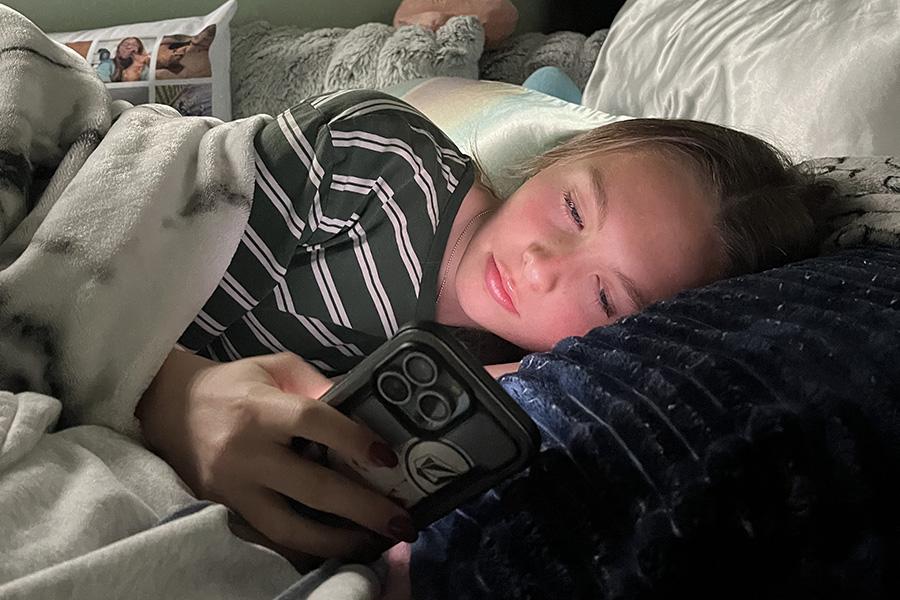
For Harris, the main difference he experienced from students now was a lack in the use of cellphones. He got his first one in college and found it spending most of its time on his desk. In high school, his peers rarely used theirs since pay phones were located around the school. In contrast, a similarity he found that remains constant is the effects of teachers on students.
“One thing that to me stays the same throughout the years is the impact that a teacher can have, not just on your education but on your life,” Harris said. “I will never forget the teachers that impacted me in high school and were able to build my confidence and strengthen my passion for learning and solving problems. These teachers are role models of mine and their legacy is what I hope to continue in my own teaching career.”
English teacher Amy Larson, 1993 graduate of Lake Braddock Secondary School, was not as affected by her teachers as she was her coaches. She describes the educators as “one-dimensional characters who existed only in the context of their classrooms.” As a student, she was terrified of getting in trouble, which is one thing she says differs from students today. Her favorite memories mostly involve “just being silly and laughing.”
“I totally remember sitting in my dad’s Oldsmobile listening to Ice Ice Baby on the tape deck and imagining how awesome it would be when we could drive. By my senior year, we were listening to CDs, not tapes,” Larson said. “For fun we went to the Springfield Mall and would shop, see movies or scope hotties in the food court. They mostly hung out around the Arby’s.”
The favorite memory of Chemistry teacher Ray Richards, who graduated from Pennsbury High in 1990, is a summer trip to Spain, during which he got to run with the bulls in Pamplona. He describes his teachers, coworkers and himself as part of a “fun group who ‘tell it like it is.’” The main difference he notices between students in his time and students now is where their focus lies.
“The main difference about today’s students is the unfortunate need for instant gratification … This same issue prevents many students from seeing what path they want to follow in terms of a career. Student’s fail, then realize that this is the only time in their lives where they can get ahead for free. Once you leave high school, nothing is free,” Richards said. “When I was in high school, students seemed to be looking toward the future more than the ‘now.’ I often feel that today’s students focus on the ‘now’ and lose focus on the future.”
The main difference English teacher Sharon Crane, 1979 graduate of Kempsville High, sees between students in her time and those now is the lack of respect toward adults, due to less parental involvement in education. Artists and bands like David Bowie, The Police, Lynyrd Skynyrd, Tom Petty and The Cars played a large part in her life and she spent a lot of time going to concerts. She also travelled a lot with her ski club and fashion merchandising club. One particular memory she has is of helping a friend, who was struggling in English, graduate.
“I attended a very large high school, our graduating class had almost 1,200 students — just the seniors. We had split shifts, (meaning) we could choose to go to the morning session from 7:20 a.m. to 2:20 p.m. or the second session from 9:20 a.m. to 4:20 p.m. Many students who worked in the afternoons went to the early session, including me,” Crane said. “Coming from such a large graduating class was tough because my maiden name was Zajack and I was always last to be called. I remember tutoring (a friend) so that she would graduate and I would not be (the) last called to go up and get my diploma.”
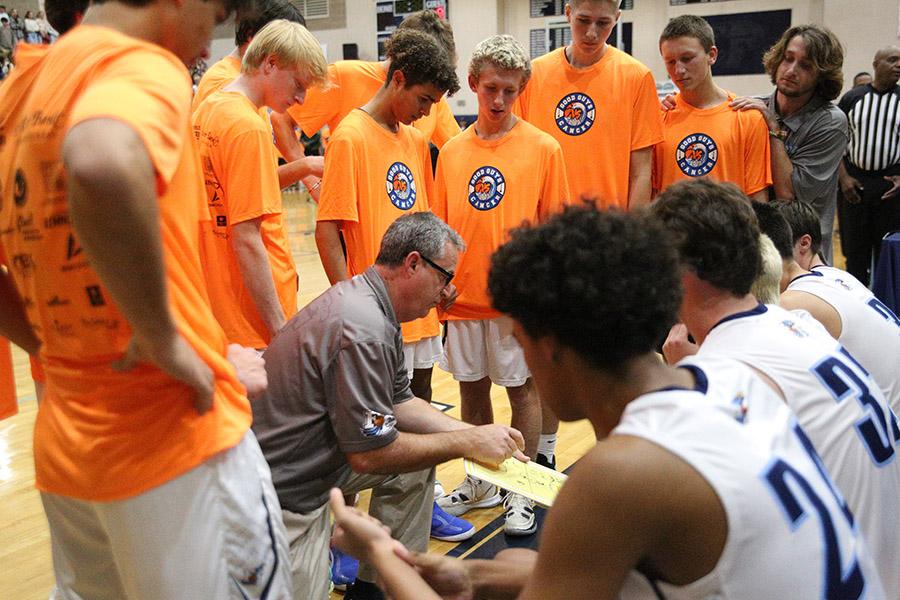
Algebra teacher Rich Hoffman, who graduated from a high school in New Jersey in 1968, remembers having fun with his friends and listening to hard-rock ‘60s music. He thinks the main difference in students now is that they lack responsibility and are more inclined to blame others. Most of his high school career was spent engaged in sports, ranging from football to track and even a little surfing. Though he saw a better work ethic back then, he believes comparisons between generations are not entirely accurate.
“I believe every class and generation has its own set of circumstances to overcome and deal with. I am not sure comparisons (between them) are really valid, but they are interesting in that they could show differences,” Hoffman said. “Remember, it was a long time ago and memories do tend to get distorted over time. People tend to block the bad and dwell on the good. Were people really that much different? I don’t know. I just hope all students retain a high sense of honor and work to be the best they can be.”
Send comments to [email protected]