













Byrde’s Eye View: Getting recruited not so easy for Gen Z
April 2, 2015
Getting recruited to play sports in college today is a whole lot more complicated on the one hand and a whole lot easier on the other compared to just a decade ago. For Generation Z athletes, the dream of extending a high school sports career can hinge on where you live, how much money you have, and your ability to promote yourself on the Web.
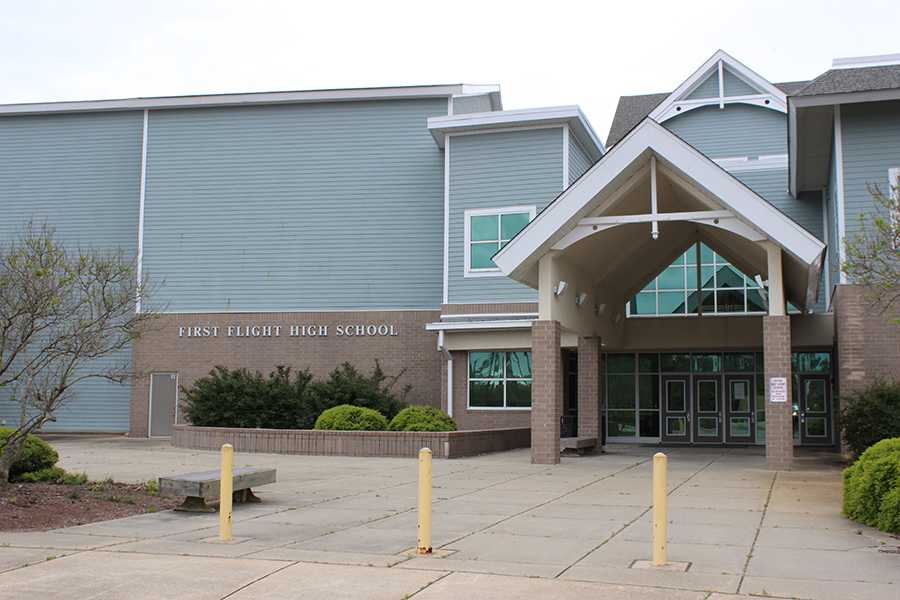
Location has long been the downfall of athletes from small towns and rural communities that are looking to get recruited. Small towns just don’t get the recruiting traffic that big schools in metropolitan areas get due to location and the proximity of resources. Do you really think a recruiter is going to focus very much time on a small community with one or two high schools or on a city with multiple high schools and more than 10,000 athletes? Which high school is going to receive greater publicity? First Flight, a 2A school which is the eastern-most school in North Carolina, or Broughton High School, a 4A high school located in the center of Raleigh, a city of more than 1.2 million people? The answer is obvious.
Fortunately, the location issue for athletes today has been simplified to some extent by technology. With the click of a mouse or a simple tweet, recruiters are able to see an almost endless number of athletes from anywhere in the state. Online profiles which feature highlight videos and stats, allow athletes to showcase their talents. AAU, travel and college coaches surf the Internet, checking out these profiles when they are not on the road watching the athletes in person.
Economic issues can be a significant problem for an athlete with the goal of being recruited. The opportunity to play in front of recruiters and coaches through an AAU team or by attending a showcase camp requires money. For AAU, if you add up the cost of registration fees, jerseys, travel expenses and tournament entry fees, it’s pretty hard to picture a poor family being able to provide the funding for their child. Even if there are scholarships available, these camps and showcase events often have limited spots that are filled up by athletes from wealthy families, regardless of the kid’s talent.
Roughly eight million high school students, approximately 55.5 percent of the high school student population, participate in athletics. Millions of those athletes are striving to get recruited. Coaches and scouts cannot possibly see all of these athletes. Especially when all of these athletes, talented or not, are making highlight tapes that clutter up the Web. It will take a lot from recruiters, coaches, and organizations to find all possible talent.
There are many athletes today that have been recruited solely through technology and have met all of their athletic endeavors. I’m not condemning technology in the recruiting equation, as it has helped many athletes, but if we continue using technology for recruiting at the rate we are today, talent will begin to be left in the dust.
Ideally, every talented athlete would have an equal opportunity to be seen by coaches so that they can be recruited by a college. However, in order for that to happen, the system needs work.
Recruiting organizations need to make sure their camps aren’t just for rich kids who can afford to attend. More need-based scholarships for talented kids who are economically disadvantaged would be one way to make this happen.
These organizations also need to expand the geographical reach of their scouts to include rural areas that rarely get noticed. If the scouts can’t make the trip, holding more year round regional camps could provide additional opportunities for these rural athletes to get seen by recruiters.
With more manpower and a better plan, these recruiting organizations would be able to cover more territory and ultimately give more athletes an opportunity to pursue their dreams.
Send comments to [email protected]