






Staff Editorial: Students must learn to take part in democratic process
March 15, 2016


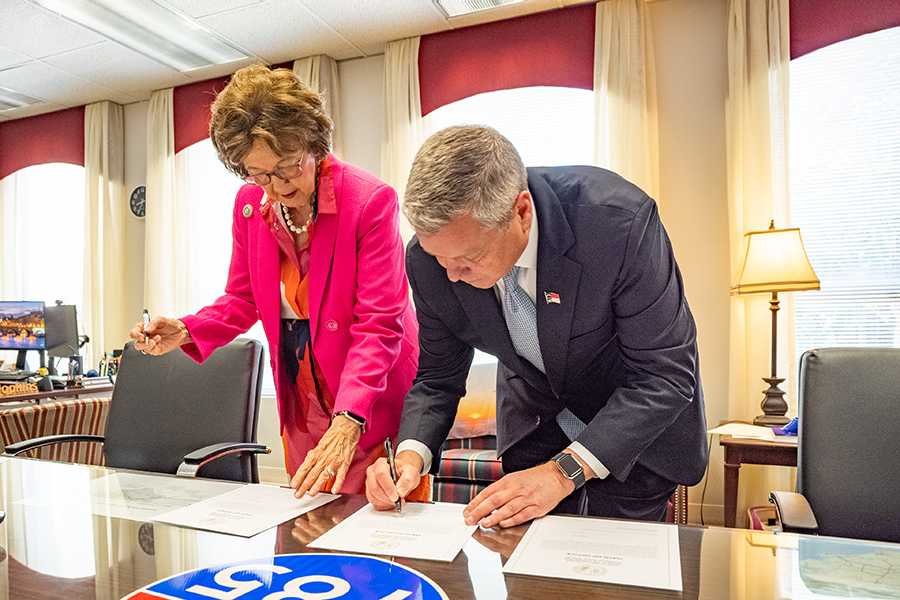
Voting is a right that Americans often take for granted. With an election on the way, that may not be the best thing. One teacher, Cassidy Mascio, took some of her students over to vote in the North Carolina Primary on Tuesday. This was excellent, as it encouraged students to be a part of the democratic process.
Many supporters of Democratic candidate Bernie Sanders are young millennials who may not get out and vote without a little encouragement. Helping students to vote can, in that circumstance, reveal a demographic that may otherwise be hidden.
Any civics student should be able to tell you that the three most important things an American citizen is supposed to do are jury duty, paying taxes and voting. The nation was founded upon a principle of a representative democracy, and in order for our voices to be heard and represented, we must vote.
Instead, many Americans seem to think guns, greed and the Kardashians are the most important aspects of their lives: Voter turnout was less than 60 percent in the last presidential election, according to the Bipartisan Policy Center.
Some students could not vote in the primaries and will not be able to vote in November’s general election, and to those students who aren’t 18 already, the whole process might seem a little bleak. It is easy to say that because they cannot vote, they shouldn’t bother with learning about the candidates, but this is simply not the case.
It is important to still be informed on political issues. You may have friends who can vote, and by discussing issues with them it could help you find your own political voice or spread your opinion. Knowing candidates’ policies and talking to others about it increases the nation’s dialogue about issues that some people are afraid to discuss.
Some people want to learn about the politics of the election but just don’t know where to start. The best place to start is Google, mainly because by quickly searching any candidate’s name along with the word “policy,” Google will provide a drop-down menu with important issues and the candidate’s stance on them. If you’re not sure about a policy point, Google will even take you to articles that discuss the matter in greater detail.
A topic on the mind of several students is what might happen if the two leading delegate-winners, Hillary Clinton and Donald Trump, end up as the official candidates for their respective parties. The question arises: Does Trump really care about America or does he just want another trophy on his wall?
In Clinton’s case, it might be fascinating to see the first woman president, especially after just having elected the first African-American president. It could be a sign that the United States is moving into a more progressive mindset.
Politics are a complex art that can become even more complicated during an election. It is our job as citizens, however, to stay informed and vote if we can. Our opinions matter, and if we have the right to express them, we must.
Students, did you vote in the primary election? Share how it went in the comments field below!
Cassidy Mascio • Mar 15, 2016 at 3:35 pm
Great article! Excellent points! Thanks for joining us. It was a great day and I am hoping there are at least 80 students who are comfortable around pollsters, candidates, the process and are a part of the democratic process as they head into their adult lives! 🙂