


















By Dair McNinch, Community Editor
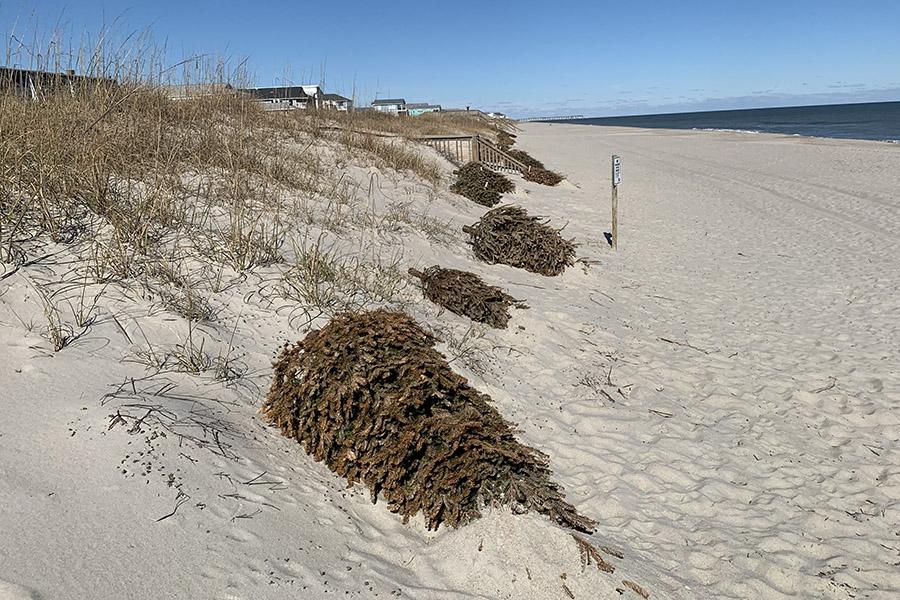
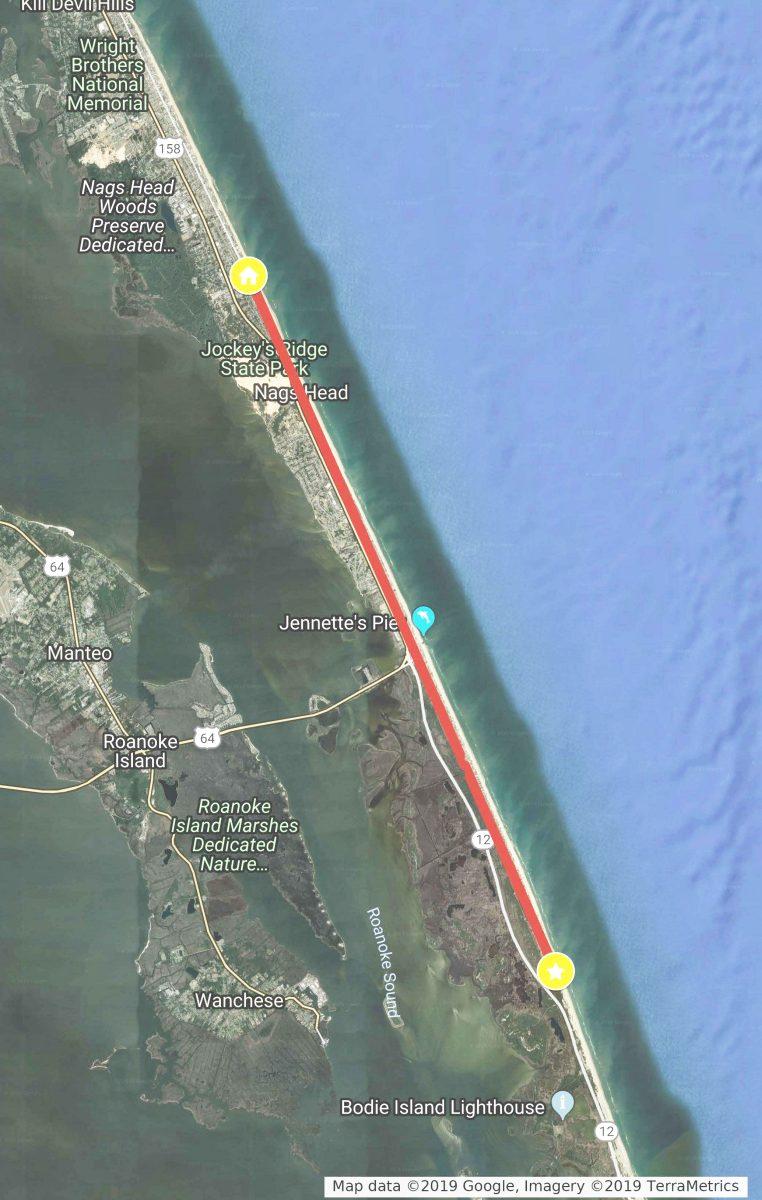
Beach nourishment, a well-debated topic among residents of the Outer Banks, is scheduled to expand 10 miles of Nags Head coastline starting at Bonnet Street and continuing south starting this May.
Several important questions have been raised about nourishment projects around the Outer Banks. Residents have debated in recent years whether the possible environmental drawbacks and cost of the project is worth the outcome of the process.
It’s widely accepted that the adverse environmental effects of beach nourishment can be prevented when the construction is done properly. By following the correct guidelines and using the right sediment, risks to fish, bivalves and other marine life can be minimized. Closely monitored construction can also ensure that animals like sea turtles aren’t hurt by the equipment.
Nags Head Mayor Ben Cahoon believes that the project will be completed with these concerns in mind.
“The first drawback of doing this is the environmental aspect, since we’re concerned about the sea life. But there are regulations and oversight for that,” Cahoon said. “At the Kill Devil Hills project a couple years ago they moved a significant amount of sea turtles out of the way of the operation, so we have a fair amount of confidence the environment is indeed being protected.”
With this in mind, the debate comes down to the fact that the project’s outcome is something that isn’t going to last. Whether residents consider the project is worth it varies, since everyone knows the process will have to be repeated in a decade or less. Cahoon points out that cost is essentially what town conversation consisted of.
“Originally when we did the first beach nourishment project there was a lot of community conversation,” Cahoon said. “There were concerns expressed about the cost and the fact that it has to be repeated, and whether that cost would be equitably shared across the town.”
Many members of the community, like science teacher Jason Breiholz, believe that the cost of the project is a necessary price to pay for the peace of mind it brings.
“It’s something we’re gonna have to continue to do, and I’m willing to pay my taxes for it,” said Breiholz, an OBX native and avid surfer. “I’m a firm believer it’s the only thing we have to protect our roadways, oceanfront houses and businesses.”
The funding for the 2019 Nags Head beach nourishment project comes half from the town taxes residents pay and the other matched by the county in occupancy taxes. Nags Head also has a municipal service district along the ocean front with increased taxes because of their benefits and risks.
In Nags Head, the amount of revenue generated by the local tourism industry is the backbone of the town’s economy. With oceanfront property being one of the largest parts of that industry, beach nourishment seems valuable to protect the property from the ocean’s inevitable erosion.
“I believe it was an overwhelming response ultimately that we do need to do this, so when it came time to do it again it was relatively straightforward and there’s not been a lot of reaction from the public,” Cahoon said. “We knew what the costs were, what the permit process was, and it went through fairly smoothly.”
Money will be a major motivator in almost all decisions for construction projects in the United States. And while this was a significant aspect of the beach nourishment debate on the Outer Banks, Cahoon describes some of the other benefits that would be reaped.
“For one, having a wide beach protects our town infrastructure,” Cahoon said. “If we allowed the erosion to continue, of course we’d lose the oceanfront houses but it’d soon threaten the beach road, water lines, power lines and the kind of infrastructure that serves the town. It does protect the ocean-front structures, and they’re important both because they’re the primary accommodation for visitors and because they’re a significant part of the tax base.”
Senior Dair McNinch can be reached at [email protected].